ENT specialist
Vestibular migraine: dizziness and migraine
Vestibular migraine causes attacks of dizziness or vertigo in people with migraine, with or without headache. Learn how it is diagnosed and treated.
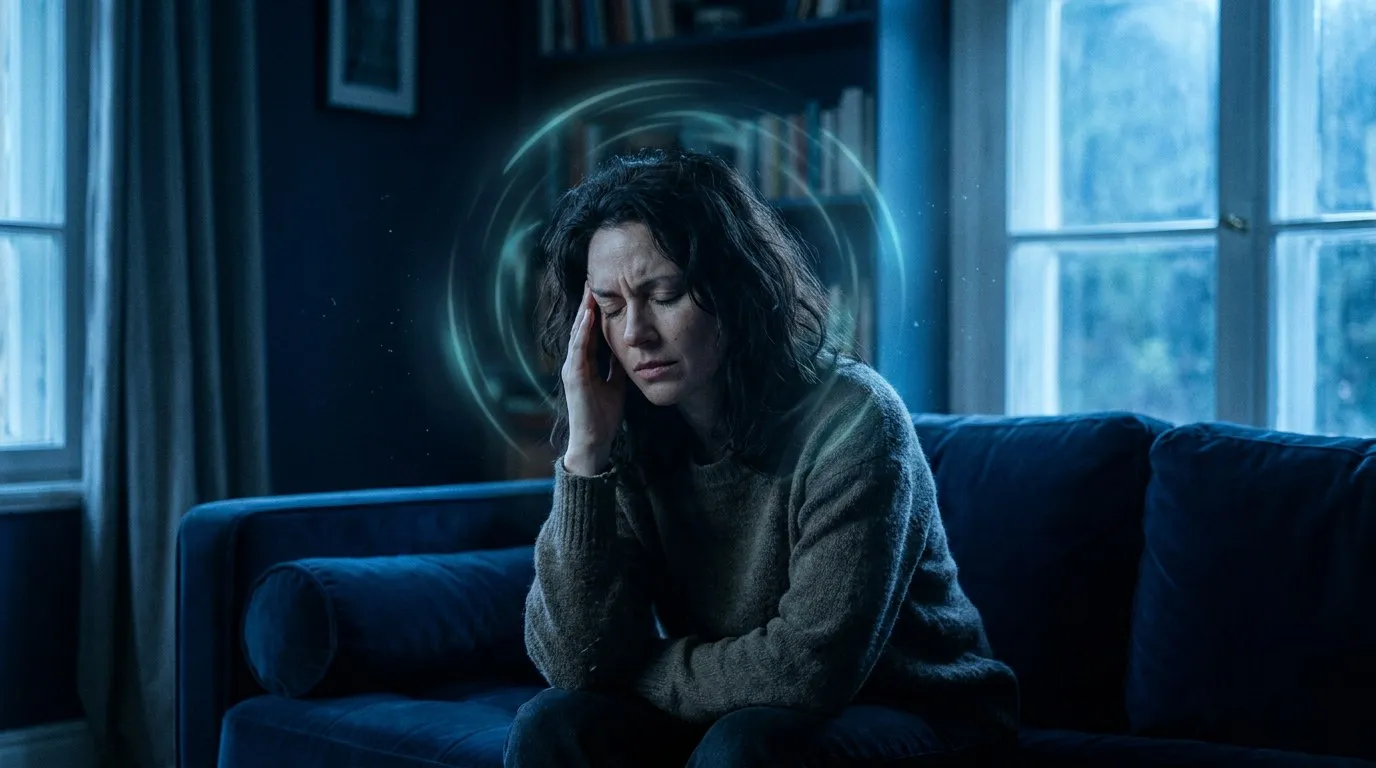
Vestibular migraine is a form of migraine in which the main symptom is dizziness or vertigo, not always headache. It is one of the more common causes of repeated dizziness with no clear cause in the ear. It is diagnosed from what you tell us and treated with changes in habits and, sometimes, medication.
What is vestibular migraine?
The vestibular system is your balance system: the inner ear and the brain pathways that connect to it. In vestibular migraine, the same mechanism that causes migraine affects that system. You get attacks of dizziness or vertigo lasting from a few minutes up to three days.
It is thought to affect fewer than 1 in 100 people, but many are never diagnosed. It is more common in women and in people who have or have had migraine.
What are the symptoms?
- Vertigo (the feeling that everything is spinning), spontaneous or triggered by head movement or a change of position.
- Dizziness or unsteadiness, sometimes with nausea and discomfort with movement.
- Sensitivity to light and noise during an attack.
- Headache with migraine features, which may come with some attacks, not all.
- Seeing flashing lights or blind spots (aura) in some people.
A useful clue: there is not usually major hearing loss or constant ringing. If you have them, they may be due to another condition.
Why does it happen?
The exact cause is not known. It is thought that the brain in people with migraine is more sensitive to certain stimuli, and that this changes how it handles balance signals. Attacks can be triggered by:
- Lack of or changes in sleep.
- Stress and anxiety.
- Skipping meals or long fasts.
- Hormonal changes, such as periods.
- Bright lights, noise, strong smells or weather changes.
- Some foods or alcohol, in some people.
Triggers are different for each person.
How is it diagnosed?
Diagnosis is clinical: it relies on your history. There is no test that confirms it. The key points are:
- At least 5 episodes of moderate or severe dizziness or vertigo lasting 5 minutes to 72 hours.
- A history of migraine, current or past.
- In at least half the attacks, a migraine feature: typical headache, sensitivity to light or noise, or aura.
- That it is not better explained by another condition.
To rule out other causes we examine you and, depending on the case, arrange a hearing test and balance tests such as videonystagmography. Other possible causes include BPPV, Ménière’s disease or a problem in the brain. Scans are not usually needed unless there are unusual symptoms.
How is it treated?
The scientific evidence on treatment is limited: there are few studies and they are of low quality. What we do draws on experience with ordinary migraine.
General measures
Understanding the condition, keeping an attack diary and looking after your habits (sleep, meals, exercise, stress) is the foundation. We explain it in preventing vestibular migraine attacks.
During an attack
- Rest in a quiet, dimly lit place.
- Medicine for nausea or for migraine may be prescribed, depending on your case.
- Avoid taking painkillers every day, because they can make attacks more frequent.
Preventive medication
If attacks are frequent or disabling, preventive medicines of the kind used for migraine can be tried. Reviews show that studies are few and small, so we cannot say which is best. The choice is individual.
Vestibular rehabilitation
If you are left unsteady between attacks, exercises guided by a physiotherapist can help. There are few specific studies, but it is a safe option.
Psychological support
Stress and anxiety make attacks worse, and talking therapy can help those who need it.
Advice
- Note down each attack: date, duration, symptoms and what you did beforehand.
- Sleep regularly and do not skip meals.
- Exercise moderately and regularly.
- Identify your triggers without banning everything.
- Do not overuse painkillers.
- Do not drive or climb heights during an attack.
- See us if the pattern of your attacks changes.
When should I seek urgent help?
Some dizziness can come from a problem in the brain. Call 112 (in Spain) or your local emergency number, or go to A&E, if the dizziness or vertigo:
- Comes with a very severe, sudden headache.
- Comes with double vision, difficulty speaking, weakness or tingling on one side of the body, or a drooping face.
- Stops you standing, even without moving your head.
- Comes with sudden hearing loss.
- Is the first time and you have vascular risk factors (high blood pressure, diabetes, smoking, older age).
Book an appointment soon if attacks are becoming more frequent or limit your daily life.
Frequently asked questions
Can I have vestibular migraine without a headache? Yes. Many attacks occur with dizziness or vertigo alone. The diagnosis relies on migraine features in at least half the attacks.
Is it serious? It does not damage the ear or the brain, but it can limit your life a lot. The important thing is to rule out other causes.
Does it go away? It can usually be controlled with habits and, if needed, medication. Attacks can come back, sometimes with good and bad spells.
Will I lose hearing? Normally not. If you do, other causes, such as Ménière’s disease, need to be investigated.
Is it the same as BPPV? No. BPPV lasts seconds and is triggered by particular positions. Vestibular migraine lasts minutes to hours.
Do I have to give up chocolate and coffee? Not necessarily. Only if you have found that they trigger attacks for you.
Can I exercise? Yes, moderately and regularly. Very intense exercise can trigger attacks in some people.
References
- Lempert T, Olesen J, Furman J, et al. Vestibular migraine: diagnostic criteria. J Vestib Res. 2022;32(1):1-6.
- Webster KE, Dor A, Galbraith K, et al. Pharmacological interventions for prophylaxis of vestibular migraine. Cochrane Database Syst Rev. 2023;4:CD015187.
- Webster KE, Dor A, Galbraith K, et al. Non-pharmacological interventions for prophylaxis of vestibular migraine. Cochrane Database Syst Rev. 2023;4:CD015321.
- Demir ÜF, Karakus Dilbaz F. Vestibular migraine: a systematic literature search and narrative review. Medeni Med J. 2026;41(3):329-346.
For general information only. It does not replace a medical consultation and cannot be used for diagnosis. In an emergency in Spain, call 112.