ENT specialist
Swimmer's ear: symptoms and treatment
Swimmer's ear (otitis externa) is an infection of the skin lining the ear canal. Learn the symptoms, how it is treated and when to seek urgent help.
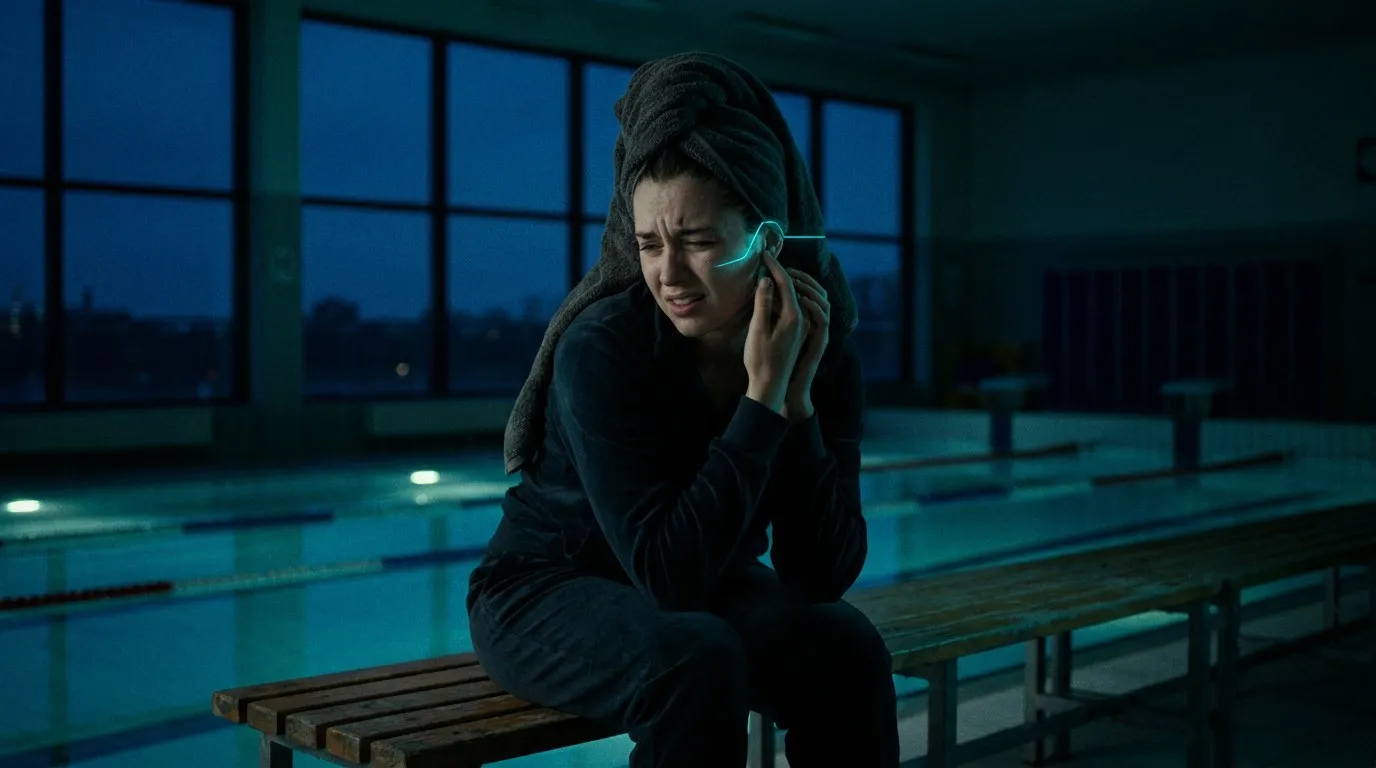
Swimmer’s ear, or otitis externa, is inflammation of the skin lining the ear canal, usually caused by a bacterial infection. It can be very painful, but with the right treatment it normally settles within a few days.
What are the symptoms of swimmer’s ear?
- Ear pain, sometimes severe, worse when you touch the ear or chew.
- Itching in the ear canal, especially at first.
- Discharge from the ear.
- A blocked feeling and slightly muffled hearing.
A high temperature is not typical. If you have one, we need to rule out other problems.
Why does it happen?
The ear canal has a protective layer of wax. When it is lost, germs get in. What damages it most is:
- Water staying in the ear: swimming pools, the sea, rivers or frequent showers.
- Cotton buds, fingernails or other objects that scratch the skin.
- Earplugs, earphones or hearing aids that fit badly or are not clean.
- Dermatitis or eczema of the canal.
Sometimes the cause is a fungus (otomycosis), which itches more and hurts less.
How is it diagnosed?
We ask about your symptoms and look into the canal with an otoscope or a microscope. We check that the eardrum is intact, because that changes which drops we can use. We also ask whether you have diabetes, a weakened immune system or previous radiotherapy in the area.
How is it treated?
- Pain relief matched to how bad the pain is. This is a priority.
- Ear drops. They are the main treatment and are usually used for 5 to 7 days. Antibiotic tablets are rarely needed.
- Cleaning the canal in clinic if it is blocked with debris. If it is very swollen, we may place a small sponge called a wick to help the drops get in. It may fall out by itself. Do not remove it yourself unless we tell you to.
Finish the course even if you feel better. Keep the ear dry while you are being treated (dry ear care).
If you use the treatment and keep up this care, you should feel better within 2-3 days. If you are not better within 48-72 hours, come back to see us.
Advice
- Do not put anything in your ear: no cotton buds or hairgrips.
- Do not use ear drops on your own. Some damage the ear if the eardrum has a hole or you have grommets.
- If you use a hearing aid, wear it only when essential until the ear is dry, and clean it well.
- If swimmer’s ear keeps coming back, tell us: there may be an underlying dermatitis.
- For everyday cleaning, a shower and a towel on the outside are enough.
When should I seek urgent help?
Seek help the same day, or call 112 (in Spain) or your local emergency number, if:
- The pain is severe or getting worse despite treatment.
- You have diabetes or a weakened immune system, or are older, and the pain is severe or lasting longer than expected. A rare, serious form called necrotising otitis externa can spread to the bone.
- Your face droops or you cannot close an eye.
- You have a high temperature, or the ear or the area behind it is red and swollen.
- You have severe dizziness, bleeding or sudden hearing loss.
Frequently asked questions
Will it go away on its own? Very mild cases sometimes do, but most need drops.
How long does it last? With the drops and keeping the ear dry, the pain usually improves in 2-3 days. Treatment usually lasts 5 to 7 days and most people are better within a week.
Can I shower? Yes, if you protect the ear as shown in our dry ear care guide.
When can I go back to the pool? When the ear has healed and is pain-free. If you swim a lot, ask us how to prevent it.
Is it the same as a middle ear infection? No. Swimmer’s ear affects the canal, outside the eardrum. A middle ear infection happens behind the eardrum.
References
- Rosenfeld RM, Schwartz SR, Cannon CR, et al. Clinical practice guideline: acute otitis externa. Otolaryngol Head Neck Surg. 2014;150(1 Suppl):S1-S24.
- Hodgson SH, Khan MM, Patrick-Smith M, et al. UK consensus definitions for necrotising otitis externa: a Delphi study. BMJ Open. 2023;13(2):e061349.
- Takata J, Hopkins M, Alexander V, et al. Systematic review of the diagnosis and management of necrotising otitis externa. Clin Otolaryngol. 2023;48(3):381-394.
For general information only. It does not replace a medical consultation and cannot be used for diagnosis. In an emergency in Spain, call 112.